VALENTINA STAVROU, MD VISION CARE • FACIAL AESTHETICS • DRY EYE OPHTHALMOLOGIST  |  ΧΕΙΡΟΥΡΓΟΣ ΟΦΘΑΛΜΙΑΤΡΟΣ

FACIAL AESTHETICS IN PAPHOS

PLEXR Plasma Wrinkle Reduction in Paphos

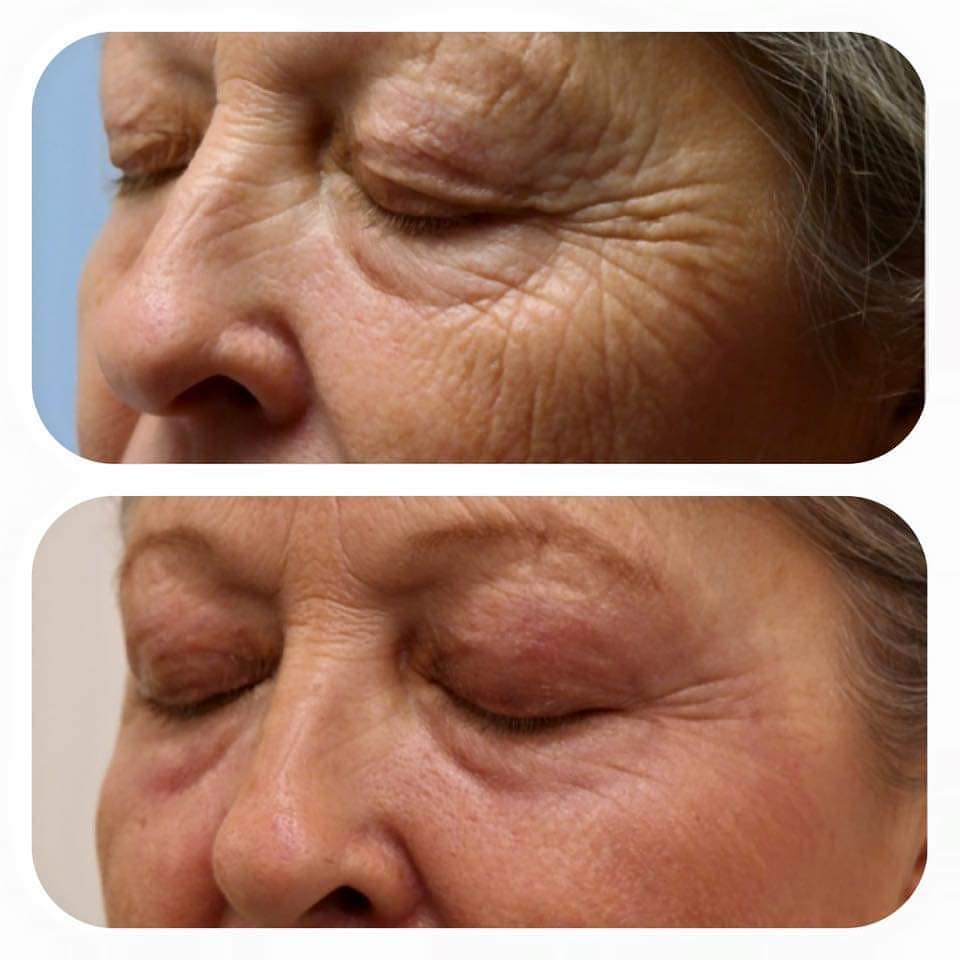
PLEXR is a plasma-based device that can be used in selected cases for superficial wrinkle reduction and localized skin tightening. Beyond the eyelids, carefully chosen facial areas may include crow's feet, fine lines of the lower eyelid-cheek junction, and selected cheek or mid-face creasing where surface tightening is the goal.

Treatment planning is conservative and anatomy-led. This sits between treatment categories: it is not the first choice for many dynamic expression lines, and it is not a general skin-quality treatment. Not every wrinkle is suitable for plasma treatment, and some concerns are better treated with wrinkle-relaxing injections, peels, mesotherapy, or surgery.

Consultation helps determine whether PLEXR, injectables, peels, or surgery is the more appropriate option.

PLEXR plasma Crow's feet and fine lines Localized tightening

Plasma resurfacing

Selected uses for facial PLEXR

PLEXR is best thought of as a targeted treatment for specific superficial wrinkles and delicate skin areas, not as a universal solution for all facial ageing changes.

What is PLEXR wrinkle reduction?

PLEXR uses controlled plasma energy to create tiny treatment points on the skin surface. This leads to localized contraction and remodeling as the skin heals.

When used appropriately, it may help soften selected superficial wrinkles and improve small areas of skin laxity without injections into the muscle and without surgical incision.

Which areas may be suitable?

  • Crow's feet in selected patients
  • Fine lower eyelid or lid-cheek lines
  • Localized cheek or mid-face creasing
  • Small areas where subtle tightening is desired

Suitability depends on skin type, healing characteristics, and how deep or dynamic the wrinkle is.

Choosing the right treatment

PLEXR is most useful for selected superficial lines and small areas where localized tightening is the aim. Dynamic lines caused mainly by muscle movement are usually better suited to wrinkle-relaxing treatment, while broader texture and tone concerns are often better matched to facial peels or mesotherapy.

What to expect

Following PLEXR treatment, small superficial crusts form at treatment points and resolve during healing. Temporary redness and swelling are common early effects.

  • Treatment is office-based
  • Downtime is usually longer than with injectables
  • Sun protection and aftercare are important

Why this needs careful selection

The periocular region and upper cheek are anatomically delicate. Treatment needs to respect eyelid function, ocular comfort, skin thickness, and pigmentation risk.

That is especially important when working close to the eye or when the concern overlaps with eyelid ageing rather than skin texture alone.

PLEXR and the eyelids

If your main concern is upper eyelid skin laxity, the dedicated page on non-surgical eyelid tightening explains how PLEXR is used specifically for selected eyelid cases.

This page focuses on broader facial wrinkle reduction and tightening beyond that narrower indication.

Facial aesthetics

Related treatments

Non-surgical eyelid tightening

Non-surgical eyelid tightening is the more relevant page when the main issue is upper eyelid skin laxity rather than facial lines outside the eyelid.

Facial peels

Facial peels help broader texture, radiance, and pigmentation concerns.

Mesotherapy

Mesotherapy can support hydration and overall skin quality when the skin looks tired or dull.

Frequently Asked Questions about PLEXR wrinkle reduction

Is this the same as Botox?

No. Botox relaxes muscles that create dynamic lines, while PLEXR works at the skin surface and is used for selected superficial wrinkles or localized tightening.

Can PLEXR be used for crow's feet?

In selected cases, yes. Whether it is appropriate depends on the type of wrinkle, the patient’s skin, and whether the lines are mainly dynamic or surface-based.

Does it replace surgery?

In selected cases, it can offer an alternative to surgery for patients who prefer to avoid incisions, surgical scarring, or longer downtime. Whether it is the right option depends on the area being treated, the skin, and the type of change being addressed.

Is downtime longer than with injectables?

Usually yes. Temporary crusting, swelling, and redness are expected after plasma treatment and need to be planned for.